
Shopping Guides · United Kingdom Guide 2026
Shoe Storage UK: Racks, Boxes and Hallway Fit
JASOTO · Updated 3 October 2026 · 408 words
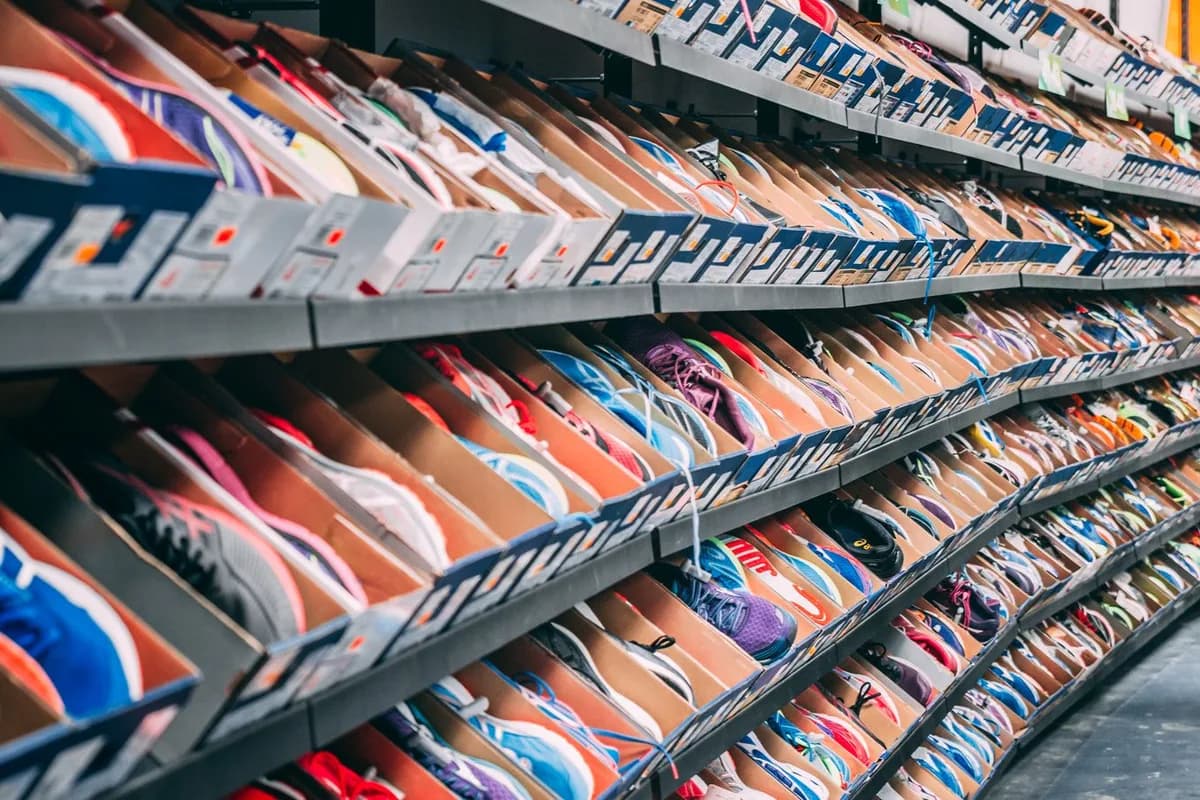
Photo: Stanislav Kondratiev / Pexels. Stock photograph for illustration; no JASOTO customer, listing, tested product or endorsement is implied.
Count the pairs that are actually used each week before choosing a shoe unit. Boots, trainers and children’s shoes need different spaces. A useful hallway arrangement keeps the doorway clear and separates wet footwear from shoes that are ready to put away.
The buying decision
- Measure the longest shoe and tallest boot.
- Test the front door and open compartments together.
- Provide a drying spot outside closed storage.
Measure your shoes rather than a generic pair
Use your longest shoe to check shelf depth and your tallest everyday boot to check shelf spacing. A cabinet labelled with a pair count may assume smaller footwear. Ask for usable compartment dimensions and account for dividers, hinges and the angle at which shoes are inserted.
Allow for the door and the passing route
Open the front door fully and mark the cabinet footprint with tape. Include the space needed to pull out a drawer or tilt a compartment. Test the route with someone carrying shopping; a narrow unit can still cause a bottleneck if its handles or opened doors project into the walkway.
Match open racks and closed boxes to the job
An open rack makes frequently worn shoes easier to reach and inspect. Clear boxes can help identify occasional pairs but add a lid-opening step. A closed cabinet hides clutter, yet you should check whether its compartments suit your footwear and whether removable trays make cleaning straightforward.
Make room for drying and routine cleaning
Do not put wet or muddy shoes straight into sealed storage. Create a separate drying spot and use trays where useful, following the footwear maker’s care advice. Check whether the storage surfaces can be wiped and whether any fabric inserts can be removed without dismantling the entire unit.
Check stability before adding a seat
A shoe cabinet is not a bench unless it is designed and rated for sitting. Read the load and anchoring instructions for the exact model. Follow required wall restraints rather than assuming a shallow cabinet cannot tip; IKEA’s furniture safety guidance is a useful starting point for understanding that distinction.
Source: IKEA UK: securing furniture. Check the source for current guidance and terms.
Before ordering
- Measure the longest shoe and tallest boot.
- Test the front door and open compartments together.
- Provide a drying spot outside closed storage.
- Confirm whether sitting and wall fixing are permitted.
Frequently asked questions
How many pairs will a cabinet hold?
Use its compartment dimensions and your shoes to work it out. The advertised count may not allow for boots, large trainers or extra-wide pairs.
Should shoes be stored in sealed boxes?
Choose around the footwear’s care instructions and dryness. Sealed boxes are not a substitute for drying wet shoes before storage.
Explore JASOTO tools
Compare the complete purchase
Check dimensions, needed accessories, delivery and care instructions before ordering.
Read shopping guides