
Shopping Guides · United Kingdom Guide 2026
Cleaning Tools UK: Plan Your 2027 Kit
JASOTO · Updated 5 November 2026 · 2,888 words
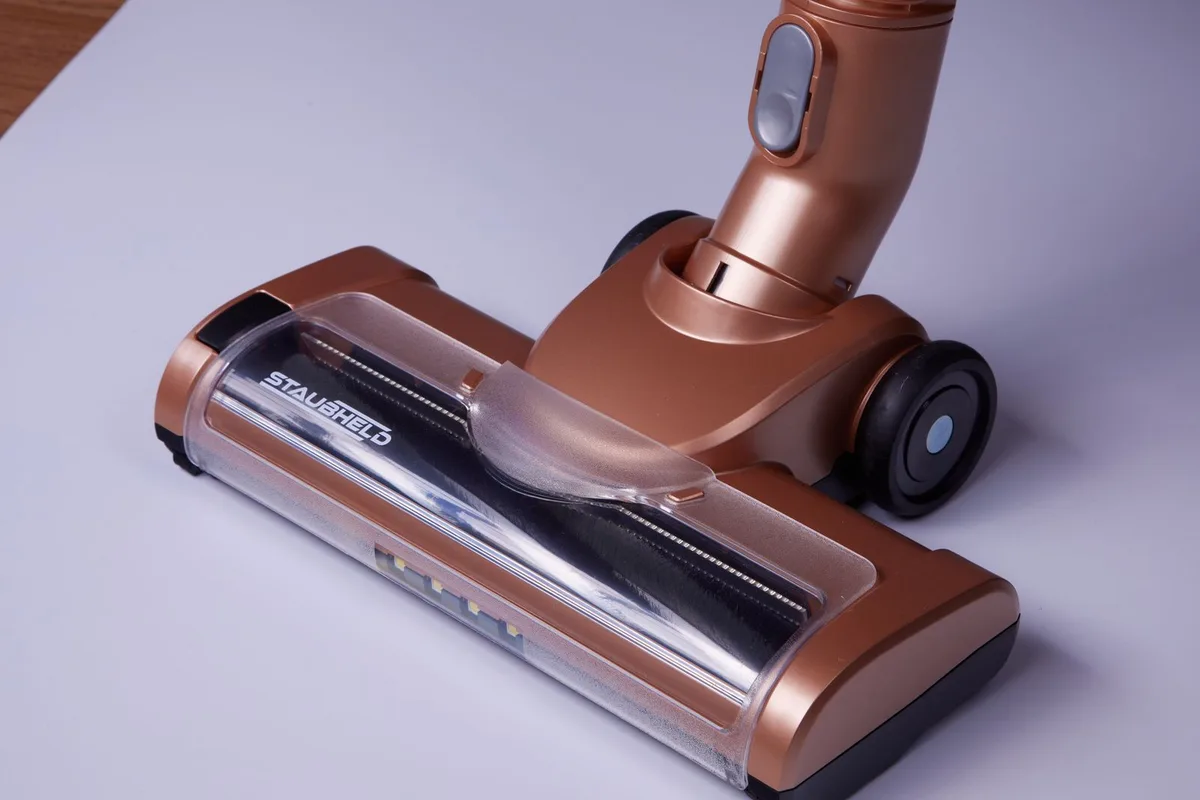
Photo: Vedat Öncelik / Pexels. Stock photograph for illustration; no JASOTO customer, listing, tested product or endorsement is implied.
A useful cleaning kit starts with the surfaces in your home and the jobs you actually need to do. A brush, mop, vacuum and powered scrubber are different tools, even when a shop groups them together. The best purchase for your circumstances is the one that fits the task, can be maintained and has somewhere suitable to live. A large attachment bundle is poor value if most of its heads cannot be used on your floors or fittings.
This UK guide helps you build a shortlist for a 2027 cleaning-kit reset. It uses practical comparisons and named official or manufacturer guidance, rather than a ranking of products we have not tested. Keep the existing URL as a reference, but recheck current instructions when choosing equipment. The year is a planning milestone, not a claim that future stock, prices or new models are confirmed. Begin with what you own, identify the specific gap and buy only after checking compatibility.
The buying decision
- Identify each surface and its permitted cleaning method before shopping.
- Compare usable reach, head size and control in the actual room.
- Include replacement pads, filters, bags and drying space in the decision.
- Check wet-use and charging instructions separately.
- Treat the related-business retailer link as one comparison option, not a product ranking.
Make a room-by-room task and surface list
Write down the job in concrete terms: collecting crumbs under the kitchen table, lifting loose hair from a rug, wiping a worktop or cleaning the edge beside a toilet. Then note the material and finish involved. A hard-looking surface might be coated, painted, sealed or fitted with vulnerable joints. If you rent or do not know the flooring product, ask the landlord, installer or relevant maker for the care information before selecting a more aggressive method. Guessing from the colour of the floor is not a reliable compatibility check.
Separate recurring work from occasional work. A tool used daily needs convenient access and quick upkeep; equipment for a rare job might be borrowed or replaced by a suitable service. Identify what already works and what repeatedly causes difficulty. For example, the problem might be a worn mop head rather than the whole handle, or a vacuum attachment that cannot fit under one item of furniture. Your list should describe those gaps clearly enough that a retailer can answer a specific question.
Check the surface maker before choosing steam or abrasion
Start with the instructions for the surface, then compare the proposed tool and cleaning product against them. Karndean, for example, says it does not recommend steam mops or steam cleaners on its flooring. That is a named manufacturer example, not a rule for every floor sold in the UK. It demonstrates why a general claim such as suitable for hard floors cannot replace the care instructions for your own installation. Check the permitted brush, pad, moisture and chemical combination together.
Ask what the surface supplier means by non-abrasive or damp cleaning if the instructions are unclear. A replacement pad that clips onto a handle may have a different texture from the original, so attachment compatibility does not establish surface suitability. Avoid using a hidden-area trial to overrule an explicit prohibition. Where a permitted method calls for a small preliminary check, follow that direction and assess the result before continuing. Keep the care document or its link with your shopping notes, so future replacement purchases can be checked against the same requirement.
Source: Karndean UK: floor-care and steam-cleaning restrictions. Check the source for current guidance and terms.
Choose the tool type for the job, not the bundle
Compare tool categories before comparing model names. A dustpan and brush deal with small loose debris without a battery or filter. A mop applies and removes moisture through its particular head and wringing arrangement. A dry vacuum collects material only within the uses its instructions permit. A powered scrubber provides movement at the head but still needs an appropriate brush, suitable surface and controlled handling. None of these descriptions establishes that one machine can replace every other item in the cupboard.
For each proposed purchase, write the task beside the attachment you would use. If there is no permitted attachment for that job, remove the product from that part of the shortlist. If two tools cover the same ordinary task, consider which is simpler to get out, use, clean and put away. This comparison can favour a modest manual tool for a small area while leaving a powered option worth considering for another repeated job. It does not require a claim that either category always saves time or produces a better result.
Measure head clearance, working reach and cupboard fit
Measure the narrow opening the head must pass through, not just the empty area you want to clean. Note the gap below furniture, the space between fittings and the turning room at a corner. Check the complete head dimensions and whether the joint can actually move into the required position. A handle that extends far enough in a straight line may still be awkward to control once the head is against an edge. Include your normal route through the room and any steps between storage and use.
For a hypothetical example, an opening 11 centimetres high will not admit a head assembly that is 12 centimetres high at its joint, even if the flat pad is thinner. Ask for the assembled measurement when the product listing only states pad thickness. Also measure the storage opening with the handle, bucket or charger in place. A collapsible item needs room to be collapsed and reopened. Check the stated weight and how the loaded parts are carried; a bucket that fits an empty cupboard may still be impractical to move when filled as instructed.
Compare mop systems by preparation and aftercare
Think through the complete mop routine. Where will you fill it, how will you control the moisture level permitted by the floor maker, and where will you empty and clean it afterwards? Check whether a head can be removed without touching its working face and how it is reattached. For a spray system, read which liquids the reservoir permits rather than pouring in a familiar product by habit. For a wringing system, check that the mechanism and bucket are intended to work with that exact head.
Replacement access matters as much as the first head supplied. Record the replacement model or part number, the washing instructions and whether the head must be dried in a particular way. Do not assume every reusable pad can enter a washing machine or tumble dryer. Work out where the permitted drying can happen without leaving wet material against a cupboard panel or blocking a passage. If the chosen system needs several heads to support your routine, include those in the comparison before deciding that its initial price is attractive.
Read vacuum upkeep instructions before paying
A vacuum purchase includes the work needed to keep it usable. Check the exact model’s bin or bag arrangement, accessible filters, brush-bar maintenance and supported debris types. Find the maintenance instructions before ordering. Dyson’s cordless filter-care page, for example, requires washed filters to dry completely before refitting and describes at least 24 hours of drying. That example is not permission to wash another model’s filter: some parts have different care requirements. Use the correct model page rather than assuming that every filter follows one routine.
For your comparison, note what happens while a washable part is drying, where it will dry and whether an additional approved part is needed for your intended schedule. Check the available replacement reference rather than a photograph that looks similar. Read how blockages and wrapped material are addressed, including the required isolation steps, instead of treating these as jobs to improvise with the machine running. If the instructions are difficult to understand or the required component cannot be identified, ask the maker before committing to the purchase.
Source: Dyson UK: cordless vacuum filter care (model-specific example). Check the source for current guidance and terms.
Keep wet-use permission separate from charging
Do not infer liquid-handling ability from a cordless design, a waterproof-looking casing or a picture of a brush near a sink. Check what may become wet, whether any part may be rinsed or immersed, and where the electrical components must remain. A dry-debris vacuum and a machine specifically intended to collect liquids have different permitted uses. Similarly, a detachable washable brush head does not establish that the motor housing can be washed with it. Read the instructions for the complete product and each removable part.
Plan charging and storage around the supplied requirements. Confirm the correct charger, connector and charging location for the exact model; do not substitute another unit because its plug appears to fit. Keep the manual and model details accessible for later questions. If equipment, wiring or a battery is damaged, stop using it and follow the maker’s support or disposal instructions. A shopping guide cannot diagnose an electrical fault remotely. Choose equipment you can maintain within its instructions rather than a model that only fits your routine if those instructions are ignored.
Separate cloths by task and make drying possible
Food Standards Scotland advises keeping different cloths for different jobs and cleaning and drying them before reuse. Use that guidance to plan a manageable household system. Keep toilet-cleaning tools separate from kitchen work, and identify which cloths belong to which purpose in a way the household understands. Colour alone may be ambiguous if people have not agreed what it means. Labels, separate storage or a clearly assigned container can help make the intended use obvious without pretending there is one universal domestic colour scheme.
Choose quantities around the washing and drying routine you can actually maintain. If the appropriate cloth is unavailable because it is dirty or drying, the system needs a practical adjustment rather than informal reuse for another job. Check the cloth maker’s care instructions and any cleaning-product restrictions together. Keep clean stock distinguishable from used material awaiting cleaning. For kitchen work, consult the linked food-safety guidance for the activity concerned; an attractive bundle of matching cloths does not establish a suitable food-hygiene process. Review the arrangement with anyone else who uses the equipment.
Source: Food Standards Scotland: kitchen and cloth hygiene. Check the source for current guidance and terms.
Follow product labels and avoid improvised chemical mixtures
A stronger brush does not make an unsuitable chemical appropriate for a surface. Follow the cleaning-product label and the equipment instructions, including dilution, ventilation, protective measures and any required rinse or contact time. The HSE’s manual surface-cleaning sheet warns against adding other chemicals to concentrates containing bleach. It is workplace COSHH guidance; here it supports a narrow safety point, not a claim that this domestic buying checklist fulfils an employer’s risk-assessment duties. Do not create a cleaning mixture from social-media suggestions.
Store products in their original labelled containers and arrange the kit so the correct item is easy to identify. Keep access appropriate to the household, including children and pets. Do not put a chemical into a tool’s reservoir unless both sets of instructions permit that use. When you need to clean a part after use, follow its specified method rather than assuming the same liquid used on the floor is also suitable for the device. If instructions conflict or a product is unidentified, resolve that uncertainty with the relevant supplier before proceeding.
Source: HSE: manual cleaning and disinfecting surfaces (workplace guidance). Check the source for current guidance and terms.
Calculate a complete comparison cost using the same assumptions
List the purchase price, delivery, required attachments and replacement consumables separately. Include only the parts your actual routine needs. Use the same comparison period and usage assumptions for each candidate, and mark anything you cannot verify. Avoid treating a supplier’s maximum runtime or a bulk pack’s headline quantity as the amount you will necessarily use. A replacement that is unavailable or lacks a confirmed fit remains an unresolved requirement, even if another listing advertises an inexpensive lookalike.
For an illustrative calculation, one manual system might cost £18 plus four £3 pads, making £30. A different powered system might cost £35 plus an £8 required replacement and £4 delivery, making £47. These are invented numbers showing the method, not current prices or equivalent performance claims. Change the quantities to your own requirements and add any other relevant costs you can substantiate. The cheaper total does not settle surface suitability, handling or upkeep. Make those checks first, then compare complete costs among the candidates that remain suitable.
Use a retailer collection to find candidates, then verify the item
A cleaning-products collection can help you locate a possible mop, brush or accessory after you have defined the job. Open the individual listing and compare its measurements, model, included components and care information with your notes. A broad category title does not guarantee that every item is relevant to your task, available now or suitable for your particular finish. If an important detail is missing, ask a direct question and keep the answer with the product reference rather than assuming that a generic description covers it.
The shopping link below leads to DailyLivingUK’s cleaning collection. JASOTO and DailyLivingUK are related businesses, so the link is a disclosed commercial option, not an independent endorsement or product test. Compare other suppliers where useful and check current delivery and returns information before ordering. This guide does not promise 2027 stock or prices. A product earns a place on your shortlist through its documented fit with your requirements, not because it appears in a related shop. Leave an unsuitable item out even if it is discounted or bundled with several extras.
Check the delivered product before making it part of the routine
When equipment arrives, compare the model and supplied parts with the order and instructions. Read the assembly and first-use information before adding liquids, fitting batteries or operating a motor. Check the provided heads against the references you selected, rather than assuming that a visually similar pack contains the same textures or fittings. Keep packaging and order information while resolving any discrepancy with the retailer. Follow the current seller process for a missing, damaged or incorrectly supplied item instead of adapting it to make the purchase work.
Start only with a permitted ordinary task, and assess practical handling as well as the result on the surface. Can you remove the head as instructed, empty the container without an awkward movement and reach the storage space? Do not push harder, add a different chemical or bypass a fitting requirement because the first result disappoints. Return to the relevant instructions or seek support. A purchase that is difficult to maintain may need a different routine or a different choice; it does not justify changing the safety limits of the equipment.
Build a small routine and use professional help for a defined need
Give each regular task an appropriate tool and a clear end point: equipment cleaned as directed, reusable parts drying suitably and supplies returned to their assigned place. Plan wet-floor work so household members can avoid the area while it remains slippery, following the relevant surface and product instructions. Keep a short list of consumables to check instead of automatically replacing everything on a calendar date. Review a worn or damaged component against its own replacement guidance, and keep model details where you can find them.
If the requirement goes beyond ordinary domestic upkeep, describe it before contacting a service. Tell a prospective cleaner the surface, approximate area, access arrangements and known care restrictions, and ask what is included. Search UK cleaning businesses on JASOTO, then verify their relevant service, contact details and terms directly. A directory entry alone does not establish specialist competence or that a provider has inspected your floor. For the 2027 reset, keep the tools that work, resolve specific gaps and revisit the plan when the home or its surfaces change.
Keep a simple note of the tool model and the replacement part you successfully used. That makes the next purchase easier to check and helps another household member avoid choosing an incompatible refill. Update the note when equipment changes, rather than allowing an old shopping list to become the default instruction.
Before ordering
- Identify the material, finish and permitted method for each job.
- Check assembled head dimensions, working reach and storage access.
- Record exact replacement references and care instructions.
- Confirm wet-use and charging permissions separately.
- Plan clean and used cloth storage, washing and drying.
- Compare the complete cost of suitable candidates using the same assumptions.
- Check the delivered model and parts before first use.
Frequently asked questions
Is a powered scrubber always better than a manual brush?
No universal result is established here. Compare the permitted surfaces, head, handling and complete preparation and upkeep routine for your actual task. This guide has not tested or ranked products.
Can I use a steam mop on every hard floor?
No. Check the care instructions for the exact floor. Karndean, for example, does not recommend steam mops or steam cleaners on its flooring. A general hard-floor claim is not a substitute for the surface maker’s instructions.
Can every vacuum filter be washed?
Do not assume so. Use the care instructions for the exact model and part. Some washable filters require a substantial drying period before refitting; another model may have different requirements.
How should I compare replacement costs?
List the required pads, bags, filters or other parts by exact reference, then compare prices and availability using the same quantities and period. Treat an unconfirmed fit as unresolved rather than counting a lookalike as a suitable replacement.
Should household cleaning cloths be used for every job?
Use separate cloths for different jobs and keep clean supplies distinguishable from used material. Food Standards Scotland advises cleaning and drying cloths before reuse. Agree a clear household system and follow the relevant care instructions.
Does the DailyLivingUK link mean these products are independently recommended?
No. JASOTO and DailyLivingUK are related businesses. The collection is a disclosed shopping option; verify the exact item and current terms and compare other suitable suppliers.
Explore JASOTO tools
Find a provider for a specific cleaning job
Search UK listings, then confirm the service, relevant experience and current contact details directly with the business.
Search UK cleaning businesses