
Shopping Guides · United Kingdom Guide 2026
Small-Space Storage UK: Measure, Fit and Access
JASOTO · Updated 3 October 2026 · 410 words
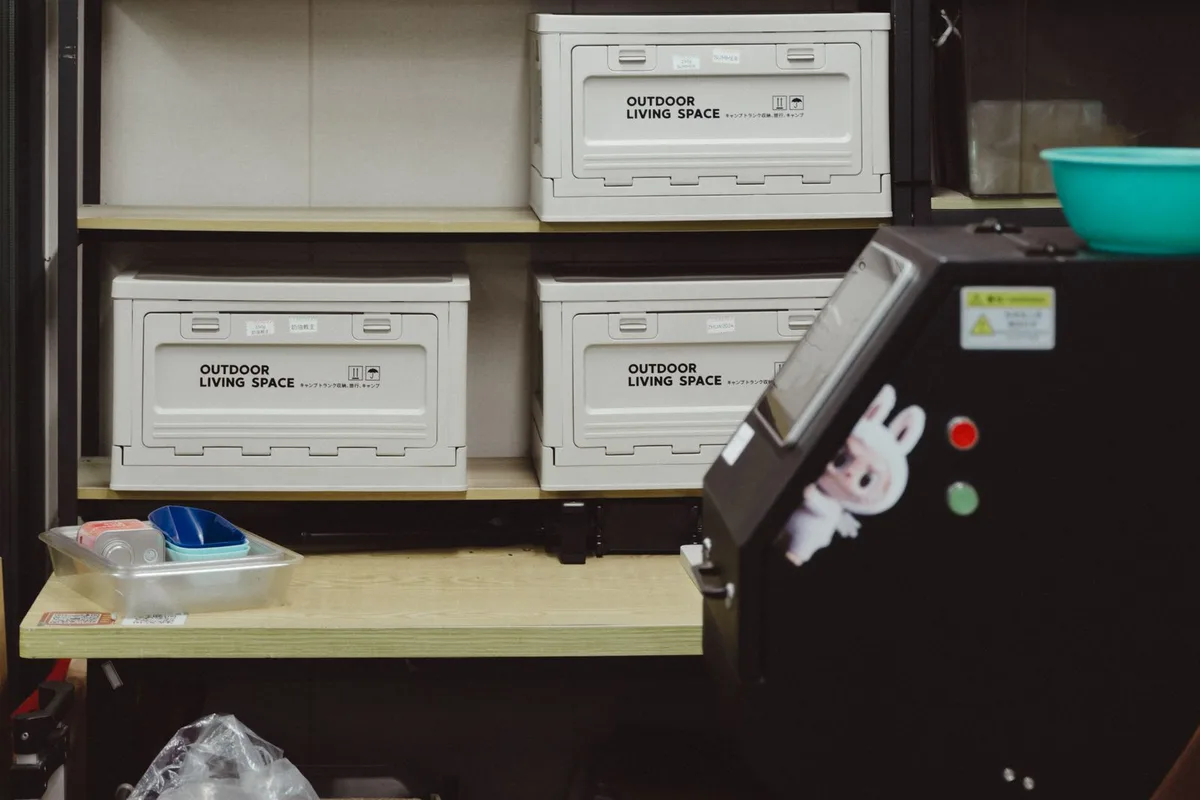
Photo: Usman AbdulrasheedGambo / Pexels. Stock photograph for illustration; no JASOTO customer, listing, tested product or endorsement is implied.
The useful capacity of a storage unit is the space you can reach and use. Start with the objects that need a home, then measure the opening and the route to it. A box that fits on paper can still block a drawer, radiator or walkway.
The buying decision
- Measure the narrowest opening, not just the empty floor.
- Check internal capacity, lid clearance and retrieval space.
- Record individual shelf loads and wall-fixing needs.
Measure the opening and the usable interior
Record width, depth and height at the narrowest points, including skirting boards, hinges and pipes. For an under-bed box, measure the clearance with its lid and wheels fitted. Compare internal dimensions with the things you intend to store; an advertised external size does not tell you what fits inside.
Choose access before choosing capacity
A lidded box suits seasonal items that are retrieved occasionally. An open shelf or front-opening container may suit daily supplies better. Picture the whole retrieval movement: pulling out the box, lifting its lid and putting it back. Leave space for that movement rather than filling every available centimetre.
Compare a stack of boxes with a shelf
For example, three stacked boxes may use floor space efficiently but require lifting two boxes to reach the bottom one. A shelf uses a different footprint and offers separate access. Compare the same contents in both arrangements, including assembly, fixings and the effort of moving a full container.
Check loading and fixing requirements
Read the stated load limit for each shelf or container rather than assuming the whole unit has one limit. Follow the furniture maker’s anchoring instructions, using fixings appropriate to the wall. IKEA’s safety guidance illustrates why a tall unit should not be treated as stable simply because it is freestanding.
Source: IKEA UK: securing furniture. Check the source for current guidance and terms.
Plan a trial fit and a maintenance routine
Mark the footprint with removable tape before ordering and check doors still open. Keep labels where they can be read without unstacking everything. Look for corners and gaps you can clean, and consider whether fabric, cardboard or plastic suits the humidity and the weight of your stored items.
Before ordering
- Measure the narrowest opening, not just the empty floor.
- Check internal capacity, lid clearance and retrieval space.
- Record individual shelf loads and wall-fixing needs.
- Trial the footprint before ordering multiple units.
Frequently asked questions
Is the largest box the best value?
Only if it fits, can be lifted when full and gives usable access. Compare the contents you need to store and how frequently you retrieve them.
Can a freestanding unit need anchoring?
Yes. Follow the specific furniture instructions; freestanding describes its placement, not permission to omit the required wall restraints.
Explore JASOTO tools
Compare the complete purchase
Check dimensions, needed accessories, delivery and care instructions before ordering.
Read shopping guides