
Shopping Guides · United Kingdom Guide 2026
Camping Lights UK: Runtime, Placement and Power
JASOTO · Updated 3 October 2026 · 405 words
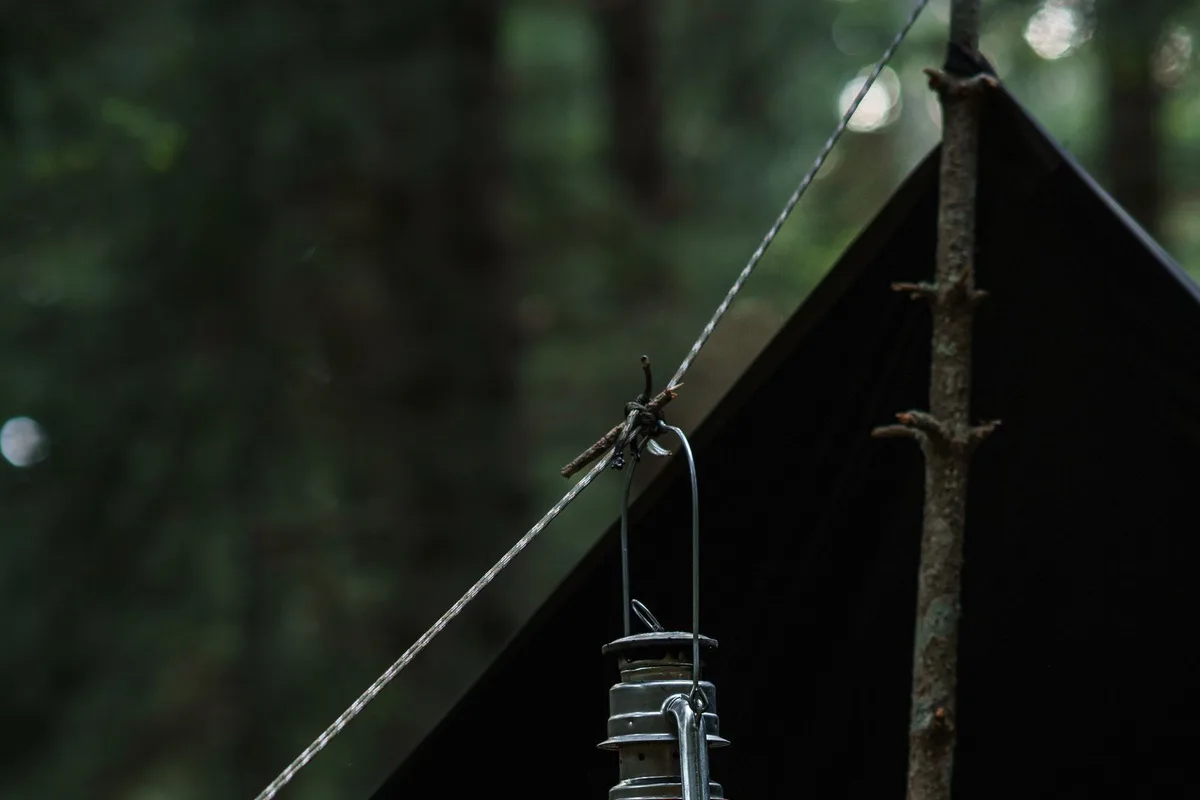
Photo: Buğra Özcan / Pexels. Stock photograph for illustration; no JASOTO customer, listing, tested product or endorsement is implied.
Choose light for the activity rather than the biggest brightness claim. Reading in a tent, preparing food and walking to campsite facilities call for different beam patterns and placements. A small independently powered backup can be more useful than relying on one large rechargeable lantern.
The buying decision
- Choose a lantern or head torch for the actual activity.
- Compare runtime on the intended setting.
- Verify charging input and included batteries.
Match the light pattern to the task
A lantern lights a shared space, while a head torch leaves your hands free and directs light where you look. String lights may make a pitch easier to recognise but should not be assumed to replace a task light. Compare controls and mounting points you can use comfortably in the dark.
Check runtime at the brightness you will use
Ask which mode was used for the advertised runtime and whether that figure applies continuously. Maximum brightness and longest runtime may describe different settings. Compare the information for your expected evening use and keep a margin for delays rather than calculating around the most favourable headline alone.
Plan power without relying on one connector
Check charging input, cable type and whether a charger or batteries are included. A USB socket does not establish compatibility with every power source. For replaceable batteries, identify the exact type and how the compartment opens; keep a separate backup light accessible rather than buried with the charging kit.
Read rain and placement instructions
Check the protection rating and the manufacturer’s permitted use for both the light and its charging port. Keep charging equipment dry as instructed. A hanging hook must suit the mounting location and weight; avoid loading a tent loop beyond its specified purpose or leaving a lamp where someone will trip.
Prefer lighting that does not add combustion
For ordinary tent lighting, an electric light avoids introducing a flame. Government guidance keeps cooking and barbecues outside tents and awnings; do not treat a camping light as permission to use burning equipment in a sleeping area. Store lights so they cannot switch on accidentally inside a tightly packed bag.
Source: GOV.UK: outdoor and camping fire safety. Check the source for current guidance and terms.
Before ordering
- Choose a lantern or head torch for the actual activity.
- Compare runtime on the intended setting.
- Verify charging input and included batteries.
- Keep an accessible independently powered backup.
Frequently asked questions
Are lumens enough to compare two lights?
No. Beam pattern, usable settings, runtime, placement and controls affect whether the light suits your task.
Can outdoor string lights be charged in rain?
Read the specific charging instructions. Protection during use does not automatically apply to an open charging port or connected charger.
Explore JASOTO tools
Compare the complete purchase
Check dimensions, needed accessories, delivery and care instructions before ordering.
Read shopping guides