
Global Business · Ireland Guide 2026
Local SEO in Ireland: Town Coverage and Accurate Listings
JASOTO · Updated 4 October 2026 · 421 words
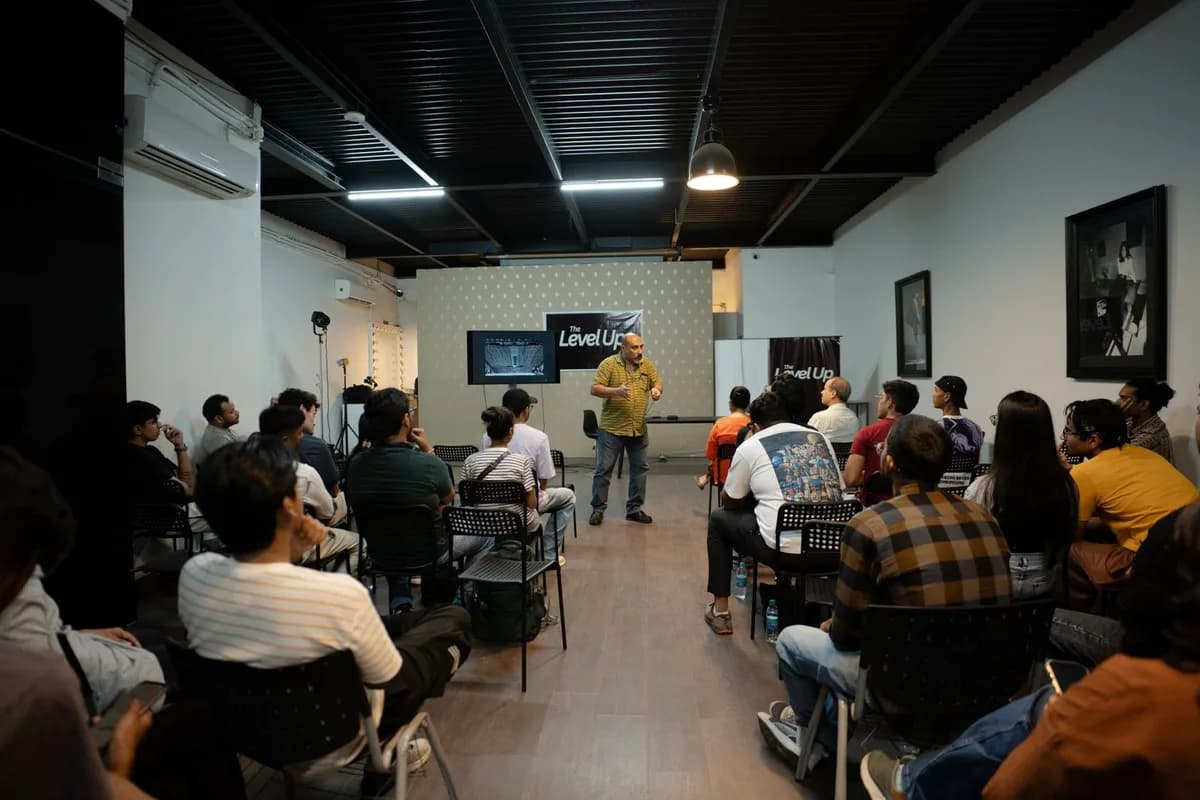
Photo: Swastik Arora / Pexels. Stock photograph for illustration; no JASOTO customer, listing, tested product or endorsement is implied.
A local business page in Ireland should answer a practical question: can this team serve the customer’s town and requested work? A county label may cover more than the normal attendance area. Explain the actual boundary, how an address is assessed and which contact route reaches the team before creating additional place-name pages or claiming a branch that does not exist.
Practical next steps
- Define the town coverage boundary.
- Verify the real profile operation.
- Confirm visit addresses privately.
Separate county labels from attendance coverage
Describe the towns or areas normally served and explain whether work elsewhere is assessed individually. Give visitors a way to ask about their address before arranging a visit. Do not turn a county name in a heading into a promise of attendance everywhere within it, particularly when travel time, staffing or the requested job affects acceptance.
Represent the real operation on profiles
Google’s business representation guidance sets out eligibility and location requirements for Business Profiles. Review the actual customer contact arrangement before adding a listing. Keep service coverage separate from a branch address, and do not create town-specific profiles simply because the business wants more visibility in those searches or can receive post at an address.
Source: Google: business representation and eligibility. Check the source for current guidance and terms.
Confirm the address through a private route
At the appropriate inquiry stage, ask for the location details staff need to assess access and travel, including an Eircode if useful for the actual arrangement. Avoid publishing a customer’s address in a review reply or illustrative project example. A coverage question can begin with broad location information before the team requests more detailed visit instructions.
Keep public details connected to actual service
Check phone numbers, opening hours and the website destination against the current operation. If the business offers contact in Irish, English or another language, describe the option staff can actually support. Do not imply language availability or emergency attendance merely because translated copy or an always-visible contact button appears on the page.
Use real location questions to improve the page
Review inquiries that staff could not accept because of travel, access or work scope. Add a clearer answer where visitors repeatedly misunderstand the boundary. A useful town page needs actual service information, not fabricated projects or near-identical location text. Count suitable accepted work separately from search views, without promising ranking gains from the rewrite.
Checks for the actual business
- Define the town coverage boundary.
- Verify the real profile operation.
- Confirm visit addresses privately.
- Keep contact options accurate.
Frequently asked questions
Does a county heading guarantee attendance?
Explain the actual service area and how staff assess requests elsewhere.
Should customer location details appear in public replies?
Use the appropriate private contact route for address and visit instructions.
Explore JASOTO tools
Check the actual business information
Compare public details with the service and contact arrangements your team supports.
Browse business services